
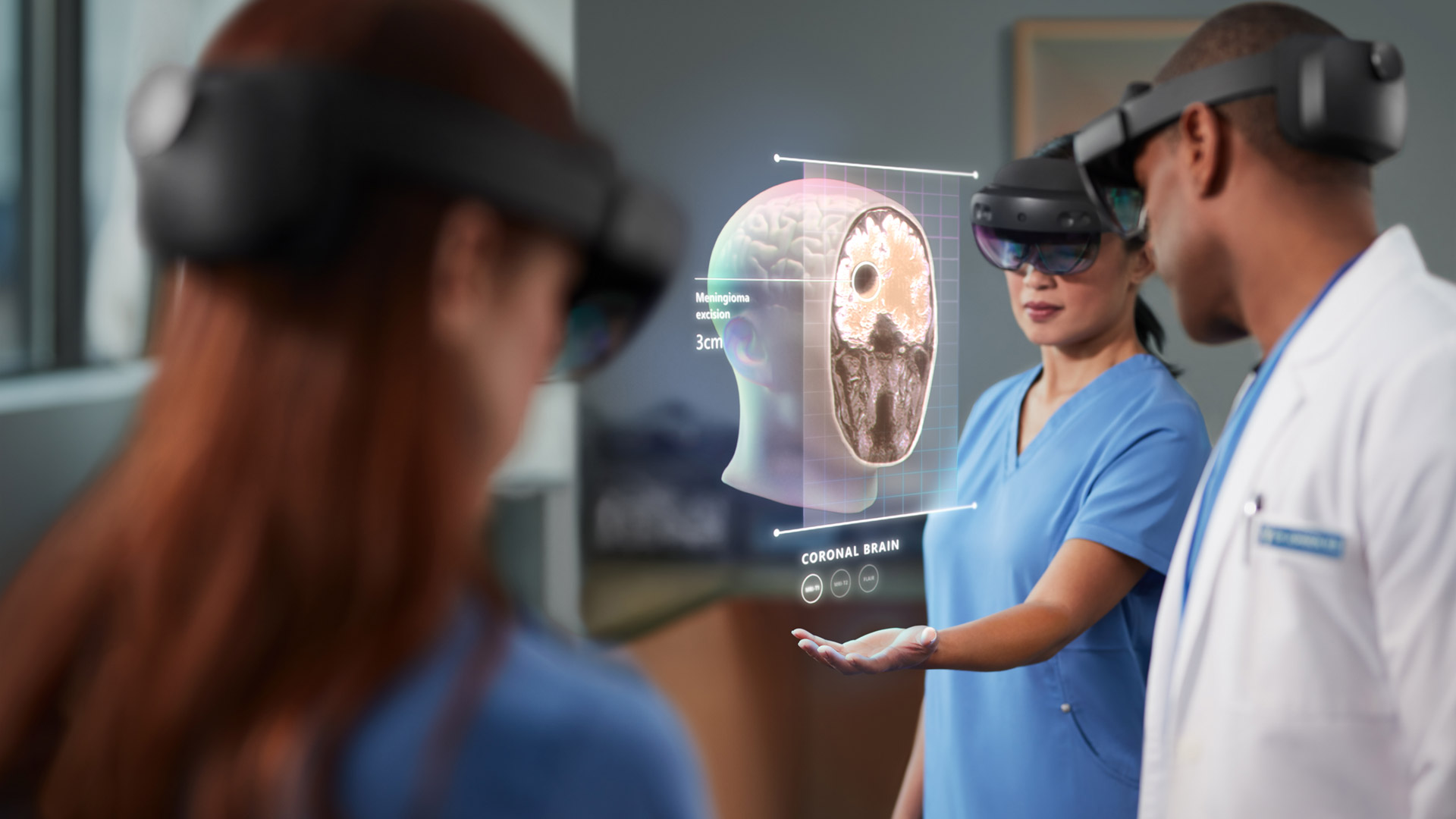
Did you know that nearly 20% of veterans face barriers to accessing the healthcare they need? At Mercy Medical, this staggering statistic is a call to action, driving innovation in veteran care through cutting-edge equipment and technology. This article will explore how Mercy Medical is transforming the healthcare experience for veterans, ensuring they receive the best possible treatment. By diving into their advanced practices, you’ll gain insights into how these innovations not only improve health outcomes but also honor the sacrifices made by those who served.
Importance of Advanced Equipment in Care
Advanced equipment plays a pivotal role in transforming veteran care, enhancing both the quality of treatment and the overall patient experience. Cutting-edge technologies, such as telehealth platforms and wearable health monitors, allow healthcare providers to offer real-time support and personalized care plans tailored to individual needs. This not only empowers veterans to take control of their health but also bridges geographical barriers, ensuring that even those in remote locations receive timely and effective medical attention.
Moreover, innovations like robotic-assisted surgeries and advanced imaging techniques are revolutionizing clinical outcomes. These tools enable surgeons to perform complex procedures with greater precision, reducing recovery times and minimizing complications. By integrating advanced equipment into veteran care, healthcare systems are not just addressing immediate health concerns; they are fostering a holistic approach that prioritizes long-term well-being and rehabilitation. As technology continues to evolve, the potential for improved quality of life for veterans is immense, highlighting the urgent need for ongoing investment in these transformative solutions.
Innovative Technologies for Veteran Health
Innovative technologies are revolutionizing veteran health care, introducing advanced equipment that not only enhances treatment but also personalizes the patient experience. Wearable health monitors, for instance, enable real-time tracking of vital signs, allowing healthcare providers to respond swiftly to any changes in a veteran’s condition. This proactive approach minimizes hospital visits and empowers veterans to take charge of their health, fostering a sense of autonomy that many have longed for after service.
Telemedicine has also emerged as a game-changer, breaking down geographic barriers and providing veterans with convenient access to specialists without the need for lengthy travel. Virtual reality therapies are being integrated into rehabilitation programs, offering immersive experiences that alleviate pain and enhance mental well-being. By harnessing these cutting-edge technologies, the healthcare system is not only addressing the unique physical and psychological challenges faced by veterans but is also building a foundation for a more responsive and efficient model of care that meets their needs holistically.
Enhancing Diagnostic Accuracy and Speed
The integration of advanced diagnostic equipment into veteran care represents a paradigm shift that goes beyond mere technological upgrades; it fundamentally redefines the patient experience. With tools such as high-resolution imaging and AI-powered diagnostic software, healthcare providers can now detect conditions earlier and with greater precision. This not only leads to timely interventions but also empowers veterans to take an active role in their health management, fostering a sense of autonomy that is often lost in the complexities of medical care.
Moreover, the speed at which these advancements operate significantly reduces wait times for critical diagnoses, alleviating the anxiety many veterans face while awaiting results. This swift turnaround can mean the difference between a manageable condition and one that escalates into a crisis, emphasizing the importance of early detection. As a result, veterans receive tailored treatment plans that are not only more effective but also more personalized, addressing the unique health challenges they encounter after service. Ultimately, the infusion of cutting-edge technology into veteran care is paving the way for a more responsive and compassionate healthcare system that honors their sacrifices and supports their well-being.
Personalized Treatment Plans for Veterans
Personalized treatment plans for veterans are revolutionizing the landscape of veteran care, especially with the integration of advanced equipment tailored to individual needs. This innovative approach recognizes that each veteran’s experience and health challenges are unique, necessitating customized strategies that consider their specific conditions and lifestyle. By utilizing cutting-edge technology—such as wearable health monitors and telehealth platforms—providers can gather real-time data, allowing for dynamic adjustments in treatment that enhance recovery and overall well-being.
Moreover, this evolution in care extends beyond physical health; it fosters a holistic view of recovery that includes mental and emotional support. Advanced equipment facilitates virtual therapy sessions and peer support networks, making it easier for veterans to connect with professionals and fellow service members without the barriers of distance or stigma. As these personalized plans gain traction, they not only improve clinical outcomes but also empower veterans to take an active role in their health journey, promoting resilience and a sense of community that is essential for healing. This transformative shift underscores the importance of treating veterans not just as patients, but as individuals deserving of comprehensive, tailored care.
Success Stories from Veteran Patients
Veteran patients are increasingly sharing their success stories, illuminating the profound impact of advanced medical equipment on their recovery journeys. For many, innovative technologies such as robotic-assisted surgeries and telehealth platforms have not only streamlined treatment but also fostered a sense of empowerment. One veteran recounted how a state-of-the-art prosthetic limb equipped with smart sensors allowed him to regain mobility and independence, transforming daily challenges into achievable goals. This narrative exemplifies how cutting-edge devices can enhance physical capabilities while boosting psychological resilience.
Moreover, the integration of virtual reality in pain management has opened new avenues for veterans dealing with trauma and chronic pain. Immersive experiences can distract from discomfort and facilitate mental healing, enabling veterans to confront their past in a safe environment. These advancements highlight a shift in veteran care, where technology not only addresses physical ailments but also nurtures emotional well-being. As more veterans share their journeys, they inspire healthcare providers to embrace innovative solutions, ultimately reshaping the landscape of care tailored to those who have served.
Collaboration with Healthcare Professionals
The integration of advanced equipment into veteran care is revolutionizing the way healthcare professionals approach treatment and rehabilitation. By collaborating with engineers and technology innovators, healthcare providers are now able to harness cutting-edge tools like telehealth systems, robotic-assisted therapies, and wearable health monitors. This synergy not only enhances the precision of diagnoses but also allows for personalized treatment plans that cater specifically to the unique needs of veterans, many of whom face complex health challenges stemming from their service.
Moreover, this collaboration fosters an environment of continuous learning and adaptation among healthcare professionals. As they work alongside technologists, they gain insights into how to effectively implement these advanced tools in clinical settings, leading to improved patient outcomes. For instance, virtual reality therapy has emerged as a groundbreaking method for addressing PTSD, enabling veterans to confront their experiences in a controlled, supportive environment. This innovative approach illustrates how a multidisciplinary perspective can reshape traditional care models, ultimately empowering veterans to reclaim their lives with dignity and resilience.
Future Advancements in Veteran Care
The landscape of veteran care is on the brink of a revolutionary transformation, propelled by advanced equipment and cutting-edge technology. Imagine a future where artificial intelligence and robotics work hand-in-hand with healthcare professionals, creating personalized treatment plans that adapt to the unique needs of each veteran. Smart wearable devices, equipped with real-time health monitoring capabilities, will empower veterans to take charge of their well-being while enabling providers to respond swiftly to any emerging health concerns. This synergy not only enhances the quality of care but also fosters a sense of independence and agency among veterans.
Moreover, virtual reality (VR) is set to redefine rehabilitation and mental health therapies. By immersing veterans in therapeutic environments, VR can facilitate exposure therapy for PTSD, allowing individuals to confront their fears in a safe, controlled setting. Advanced telehealth platforms will bridge geographical gaps, ensuring that even those in remote areas have access to specialized care. As these innovations continue to evolve, the focus will shift from merely treating symptoms to promoting holistic well-being, ultimately transforming the veteran care experience into one that is proactive, personalized, and profoundly impactful.
Transforming Lives Through Innovation
The landscape of veteran care is undergoing a profound transformation, fueled by cutting-edge innovations that enhance both the quality and accessibility of services. Advanced equipment, such as telehealth platforms and AI-driven diagnostic tools, is breaking down traditional barriers, allowing veterans to receive tailored care from the comfort of their homes. This shift not only empowers veterans to take charge of their health but also fosters a sense of community as they connect with specialized care teams who understand their unique experiences and needs.
Moreover, wearable technology is revolutionizing how veterans monitor their health. Devices that track vital signs and activity levels provide real-time feedback, enabling proactive management of chronic conditions often faced by this population. Such innovations not only streamline the care process but also instill a renewed sense of agency among veterans, encouraging them to engage actively in their wellness journeys. By integrating these advanced tools into veteran care, we are not just improving outcomes; we are reshaping lives, paving the way for a future where every veteran can thrive.